


Contaminated Sites and Remediation
Groundwater remediation planning and surveillance require reliable information on local groundwater flow dynamics.
In-situ groundwater flow measurements support monitoring before and during remediation activities by providing data for planning, proof-of-concept assessment, plausibility checks, and groundwater flow model validation. In-Situ Flow measurements serve to support investigations, for example, whether:
• a remediation well achieves the intended hydraulic effect
• contaminants are being transported at a particular depth
• groundwater abstraction affects the surrounding aquifer
• a groundwater flow model accurately represents the actual flow conditions.
Groundwater flow at property boundaries is often a sensitive issue with regard to contaminant migration, the identification of responsible parties, and the extent of groundwater remediation measures. These questions require reliable information, particularly at the boundaries of remediation sites and groundwater flow models.
Detailed geological investigations of contaminated sites frequently reveal hydraulically heterogeneous sedimentary structures in which groundwater flow is complex. Particularly at industrial sites, influences from production wells, groundwater extraction and reinfiltration for cooling purposes as well as ground vibration and contaminant transport can affect local groundwater flow. In-situ flow measurements help to improve the understanding of flow processes and contaminant migration, the planning of groundwater remediation measures, and the optimization of groundwater use.
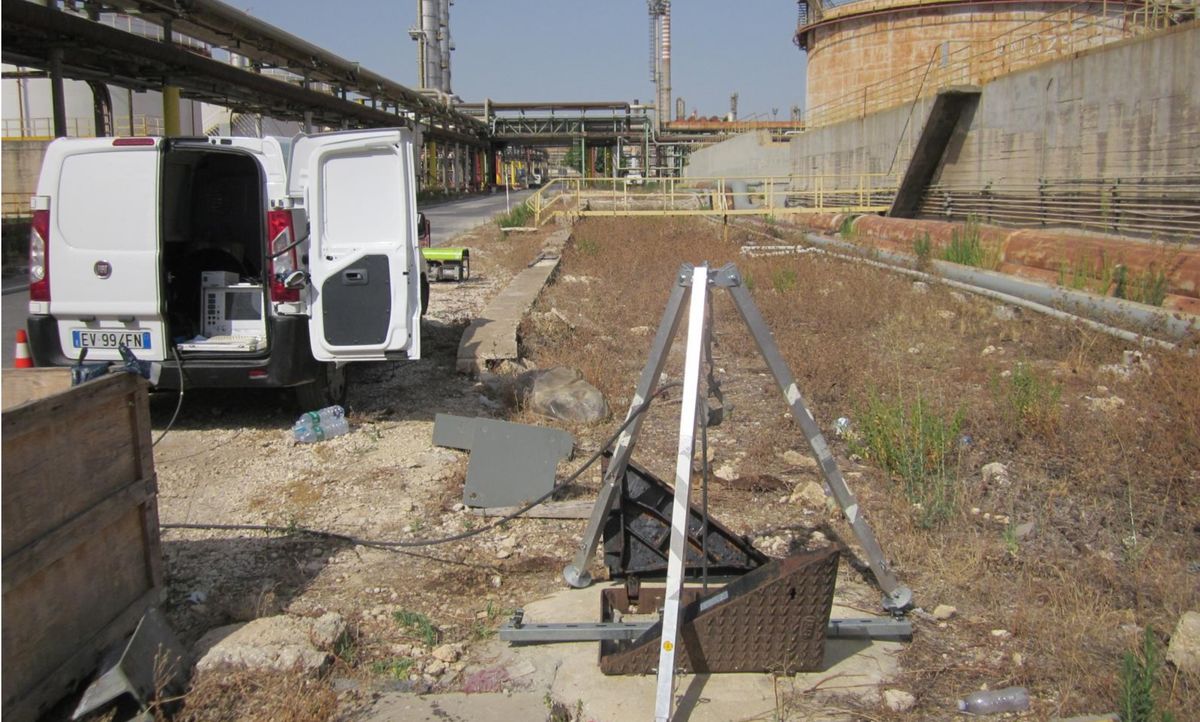
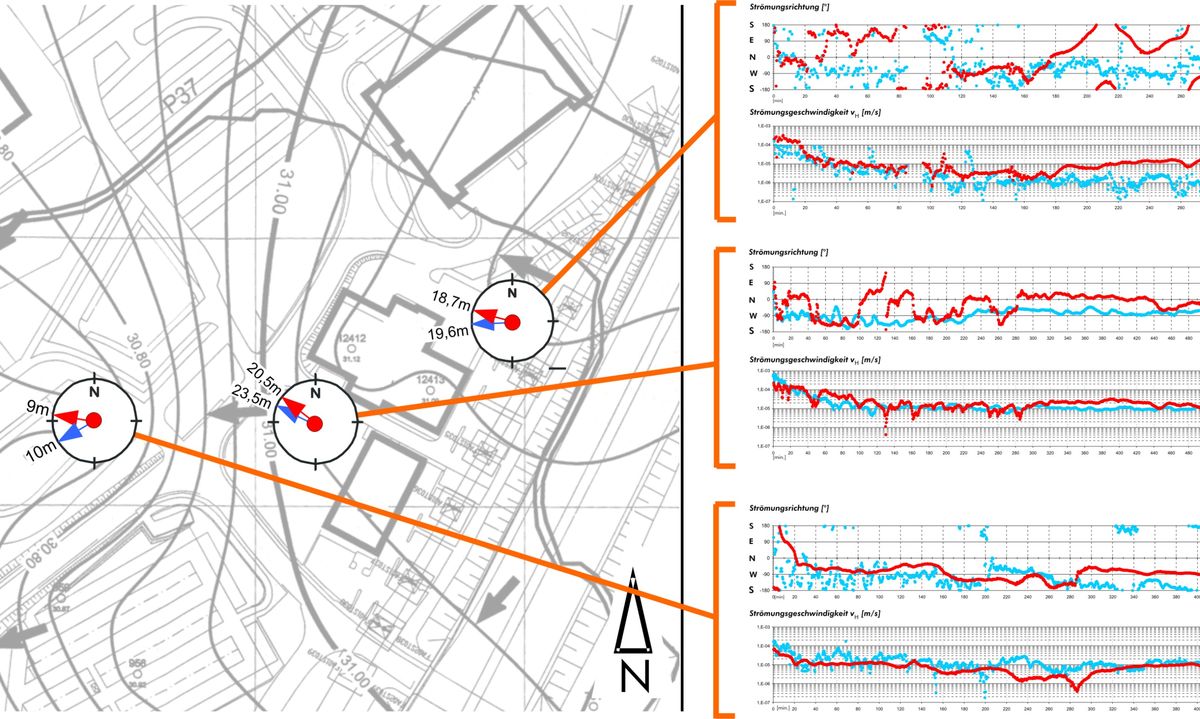
Some remediation strategies involve the introduction of reactive, pollutant-degrading microparticles into the aquifer. As a result, the hydraulic properties of the aquifer sediments change and groundwater flow can be forced to bypass microparticle plumes. To prevent clogging of the aquifer and to achieve the desired distribution of the particle suspension, the injection strategy must be adapted to the hydrogeological conditions of the aquifer. Accompanying high-resolution in-situ groundwater flow measurements in adjacent monitoring wells can be used to monitor groundwater flow conditions before and during the injection process. Changes in groundwater flow can therefore be detected immediately, allowing the injection strategy to be adjusted accordingly.
Groundwater Extraction Sites
Sustainable groundwater management begins with understanding the local groundwater flow regime
Approximately 75% of our drinking water originates from groundwater resources — a compelling reason to investigate them in detail. A detailed understanding of aquifer systems is essential for the protection of groundwater bodies and for sustainable resource management, particularly in the view of increasing water demand and climate change.
In-situ flow measurements in monitoring wells located in the vicinity of waterworks and groundwater extraction facilities help to determine the extent of capture zones and thereby support the definition of groundwater protection areas. By conducting multiple measurements in the accessed aquifer profile, information on flow regimes and insights into groundwater flow in deep aquifers is provided. Long-term measurements reveal changes in flow dynamics associated with varying groundwater extraction rates.
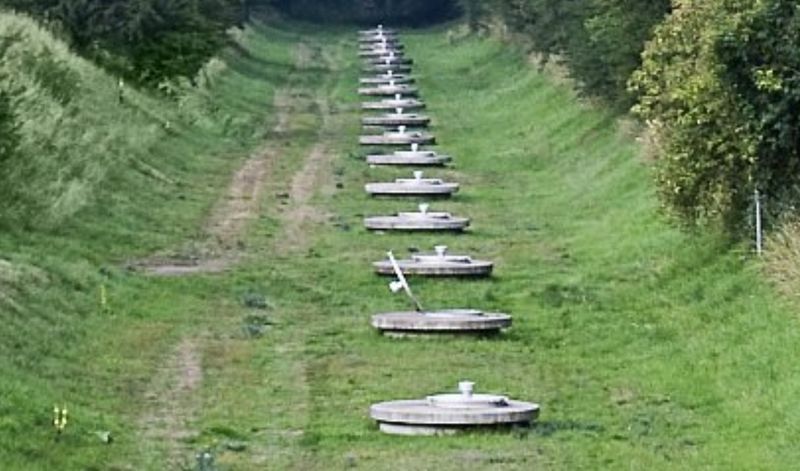
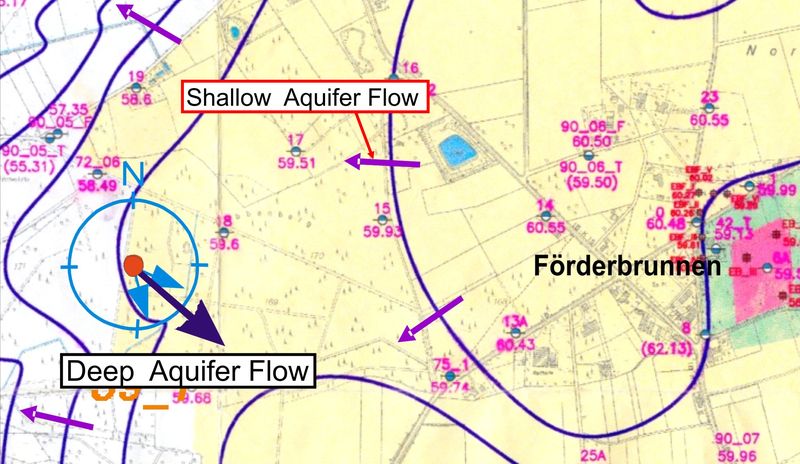
Due to rising sea levels, groundwater resources in coastal regions are particularly threatened by saltwater intrusion. Sustainable groundwater management is therefore essential to prevent the salinization of groundwater bodies. Real-time flow monitoring within the aquifer profile delivers detailed, time- and spatially-resolved data on local groundwater flow, revealing tidal influences and competing groundwater withdrawals. These findings support groundwater management strategies in these regions.
Civil Engineering and Tunnel Construction
Groundwater is often a geotechnical hazard. For assessing hydraulic impacts and stability risks in underground construction projects, reliable information on groundwater flow is essential
Underground construction work in groundwater bearing formations typically involves the installation of sheet pile walls, caissons, or tunnel structures and requires construction dewatering. Under conditions of insufficient dewatering, these structures can act as hydraulic barriers or drainage structures, thereby altering the natural groundwater flow both locally and on a larger scale. Typically, groundwater accumulates upstream of these impermeable structures, followed by increasing flow pressure around these structures. This leads to higher groundwater flow velocities in their vicinity and enhances particle transport, leading to a redistribution of fine-grained material, particularly along the contact zone between the hydraulic barrier and the aquifer.
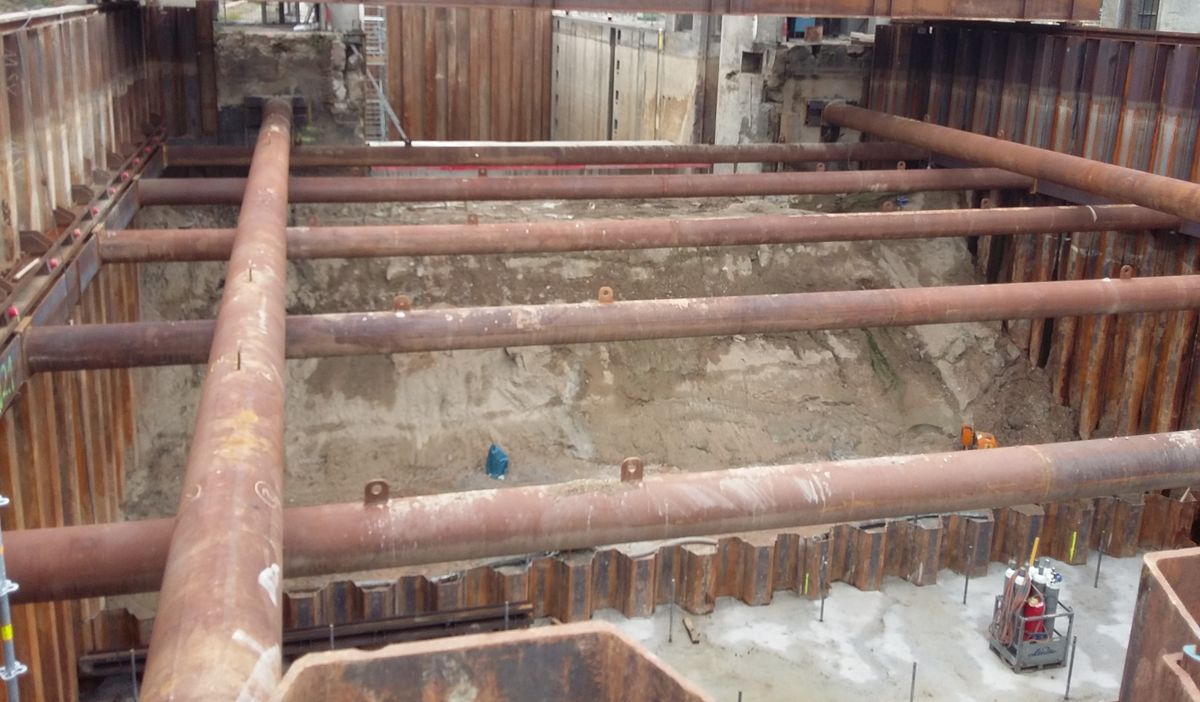
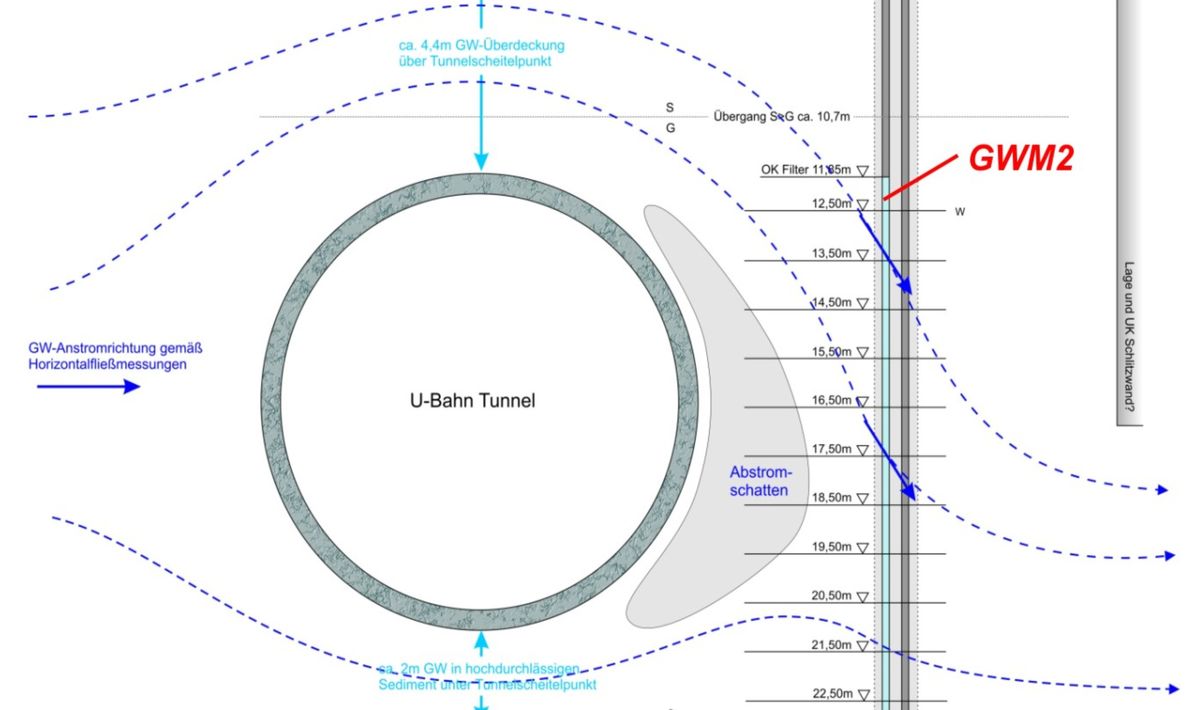
The resulting suffusion or piping may lead to structural alterations within the soil and to geotechnical instabilities. The grain structure of the soil may lose its stability and this, in turn, may increase permeability and promote the formation of preferential flow paths. These processes can result in settlement phenomena or subsidence, as well as a gradual and irreversible increase in hydraulic conductivity. In extreme cases, they may compromise the stability of excavation bases and tunnel surroundings and may ultimately lead to hydraulic ground failure. To assess such developments, in-situ-flow measurements can be conducted in project-related groundwater monitoring wells to monitor both groundwater flow rates and suspended-particle loads.
Geothermal groundwater investigations
To plan geothermal systems and to secure their long-term performance information on local groundwater flow is decisive
For geothermal planning, information on groundwater flow direction and flow velocity is of crucial importance, as these parameters determine how quickly the subsurface regenerates after heat extraction and whether undesirable hydraulic or thermal interference between multiple geothermal probes may occur. Approximately 25000 shallow geothermal borehole heat exchangers (BHEs) are installed each year in Germany alone, a large number within groundwater-bearing formations.
When planning Aquifer Thermal Energy Storage (ATES) systems, in-situ groundwater flow measurements provide important information on flow dynamics within the storage horizon. They support the assessment of groundwater flow direction, velocity, and depth-dependent flow components, thereby providing a reliable basis for the design of storage and abstraction wells. This allows potential migration of thermal or cold plumes, as well as hydraulic interactions between wells, to be identified at an early stage and taken into account during planning. Directly measured, depth-resolved groundwater flow data therefore provide clear benefits for the planning and design of ATES systems.
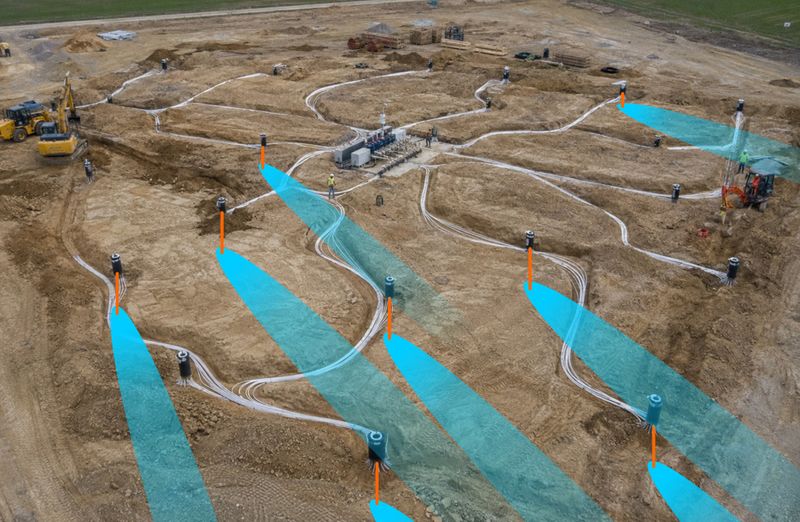
In geothermal projects involving multiple BHEs, the BHE field must be arranged in such a way that thermal interference between neighbouring systems caused by overlapping cold plumes is avoided, as this would reduce geothermal efficiency. The orientation of a series of BHEs should therefore be positioned perpendicular to the local groundwater flow direction. Knowledge of local groundwater flow is also important for defining adequate distances to drinking water protection areas if the utilized aquifer horizon is affected. It is also necessary to determine the required distances to neighbouring properties and other geothermal installations.
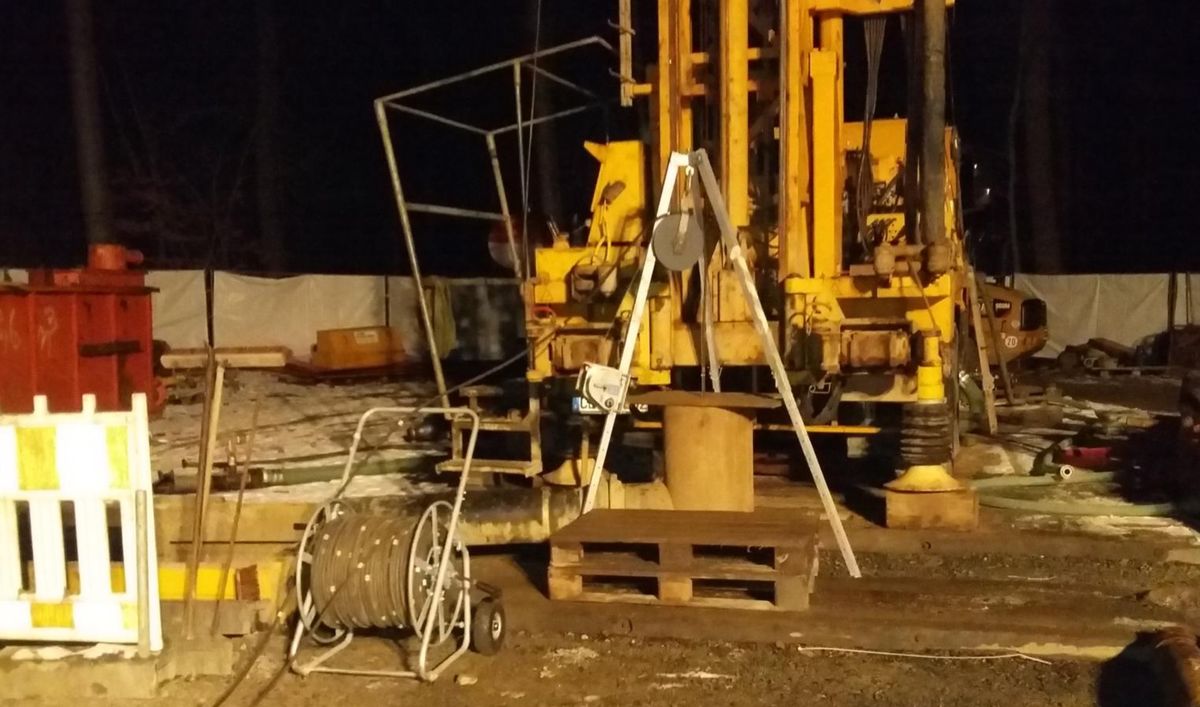
Test boreholes drilled for Thermal Response Tests (TRTs) are installed prior to the design of BHE fields. These boreholes are frequently completed as monitoring wells for subsequent groundwater temperature monitoring. Temperature monitoring is important to avoid icing in the aquifer and also to consider the impact on groundwater fauna due to temperature change.
Test boreholes with a completion diameter of 2.5 inches or larger can be utilized for multilevel in-situ groundwater flow measurements to determine flow dynamics within the aquifer profile and to support the design of BHE fields.
In open-loop systems such as shallow doublet well systems, knowledge of the local groundwater flow direction is important for positioning the injection well securely downgradient of the production well, or at least perpendicular to groundwater flow direction. This configuration avoids thermal short-circuiting and prevents the immediate recirculation of cooled water. Monitoring the flow field between the wells can provide information on the development of undesirable preferential flow paths caused by high circulation rates and associated particle transport, thereby helping to control system efficiency.
Transient Flow Monitoring
Groundwater flow is dynamic — reliable flow interpretation often requires long-term monitoring of flow processes
Groundwater flow is not always constant in terms of flow direction and velocity. Experience shows that groundwater flow at greater aquifer depths is often more uniform in time than near-surface groundwater flow, which is frequently affected by hydraulic pressure fluctuations. These fluctuations are caused by a variety of interacting influences, such as atmospheric pressure variations, transient river–groundwater interactions, tides, groundwater extraction, and seismic or vibration-related effects arising from road and rail traffic or construction activities. As a result, low groundwater flow velocities may be masked by these effects in in-situ flow measurements.
Long-term In-Situ-flow measurements that provide high directional flow accuracy help to statistically distinguish artefacts caused by external influences, to identify the natural flow in the aquifer and to refine results. They can support transient groundwater flow models, enhance interpretative reliability, show the latency of hydraulic reactions, identify the causes of flow changes over time, and reveal their subsequent impacts.
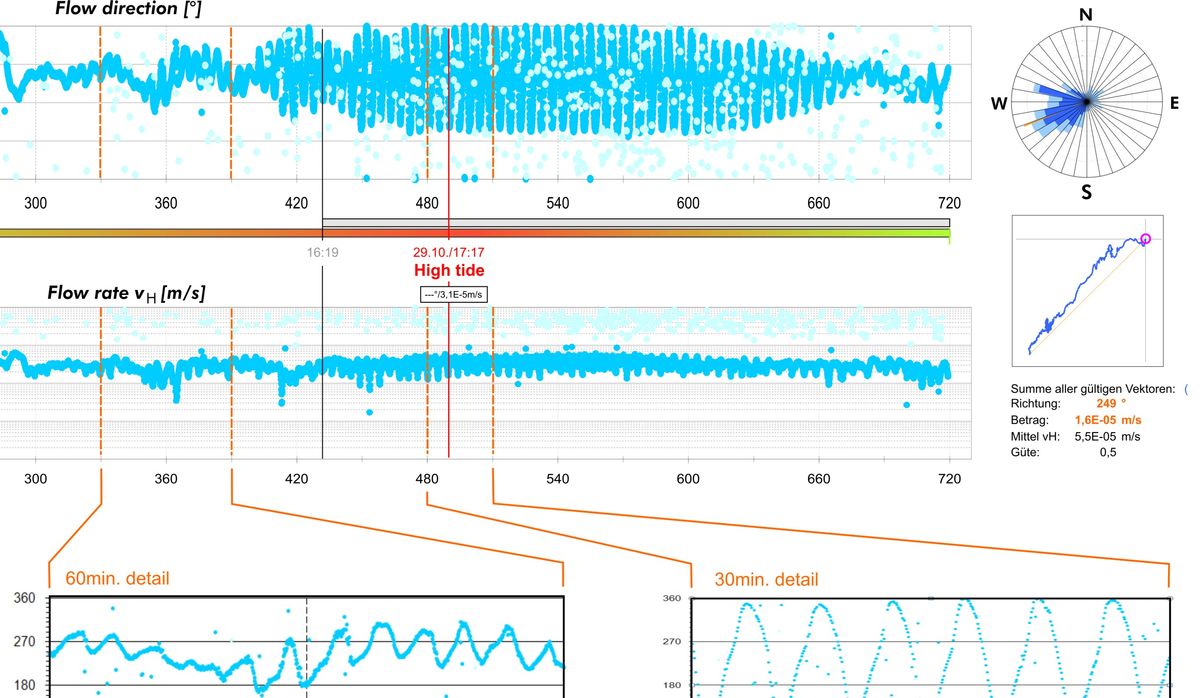
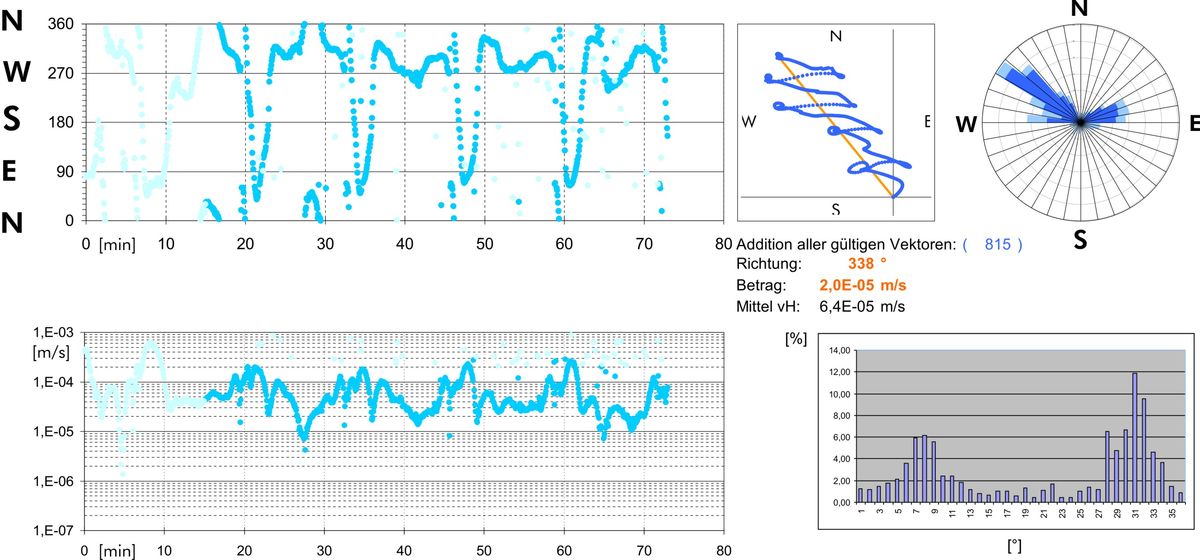
This applies, for example, to the distribution of contaminant plumes. At low groundwater flow rates, contaminant plumes can show a broader distribution than expected, which can be the result of contiuous hydraulic pressure fluctuations due to vibrations from traffic or indutrial activities. These effects can be identified by long-term in-situ-flow measurements.
Long-term flow measurements are helpful to verify and document changes in groundwater withdrawal at remediation sites and in areas with competing groundwater use. They also help to identify tidal influences on coastal aquifers and to monitor groundwater flow during underground construction work. The simultaneous monitoring of suspended particle loads provides an additional insight into the mobilization of fine-grained material and changing fine-particle transport associated with underground construction activities.
Underground Mines and Open-Pit Mines
Flooded mine systems represent both a high risk in regard to contaminant transport and a major geothermal opportunity - while their flow dynamics often remain poorly understood.
In Germany alone, more than a thousand flooded mines are documented; forming highly effective flow pathways for groundwater and mine water transport. In regard to contaminant migration and dispersion, these systems may represent a significant risk potential. On the other hand they offer considerable geothermal resources, as they represent large artificial subsurface heat reservoirs. Such systems can be utilized for mine-water geothermal applications or as subsurface thermal energy storage systems. Investigating flow dynamics within drilled-accessed structures using in-situ flow measurements can deliver substantial information for mine water monitoring, geothermal planning and on geothermal efficiency or reveal insight into contaminant transport and dispersion processes in these systems.
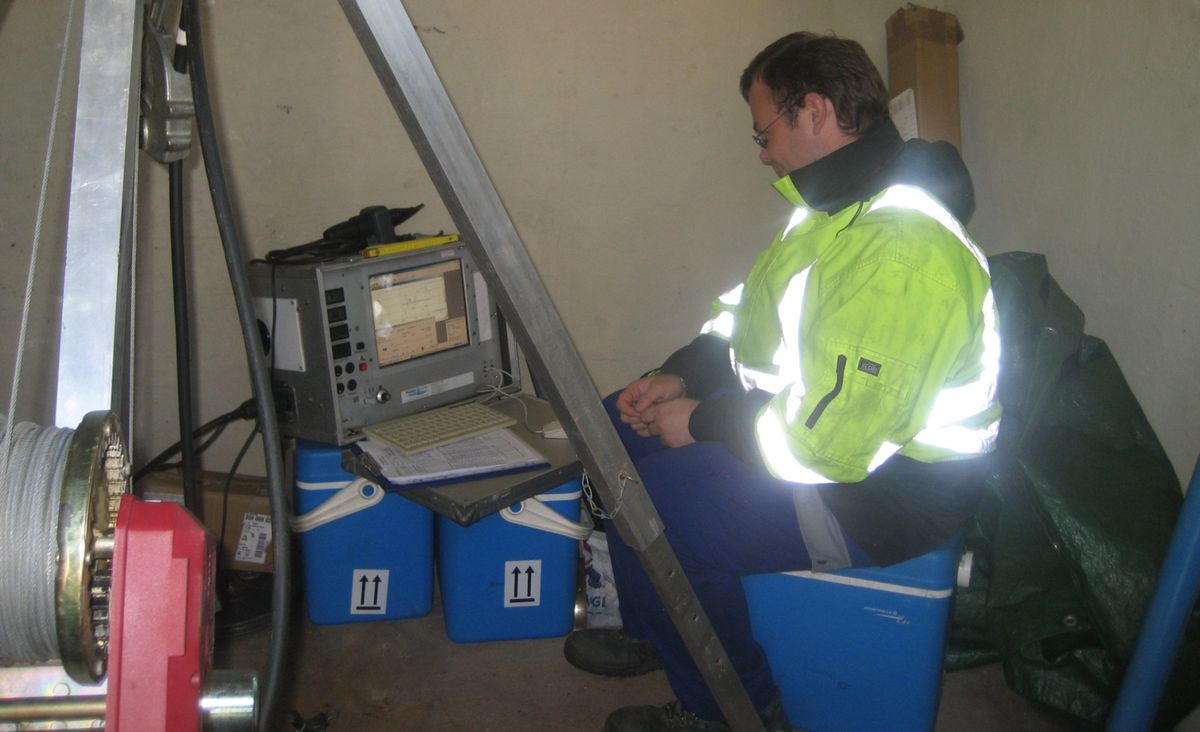
For measurement campaigns in accessible mine galleries, shafts, and open-pit mine rim areas with deep groundwater levels, we provide flow measurements in depths down to 300 m in monitoring wells with diameters of 2.5 inches or greater, as well as water-level and depth logging down to 200 m.
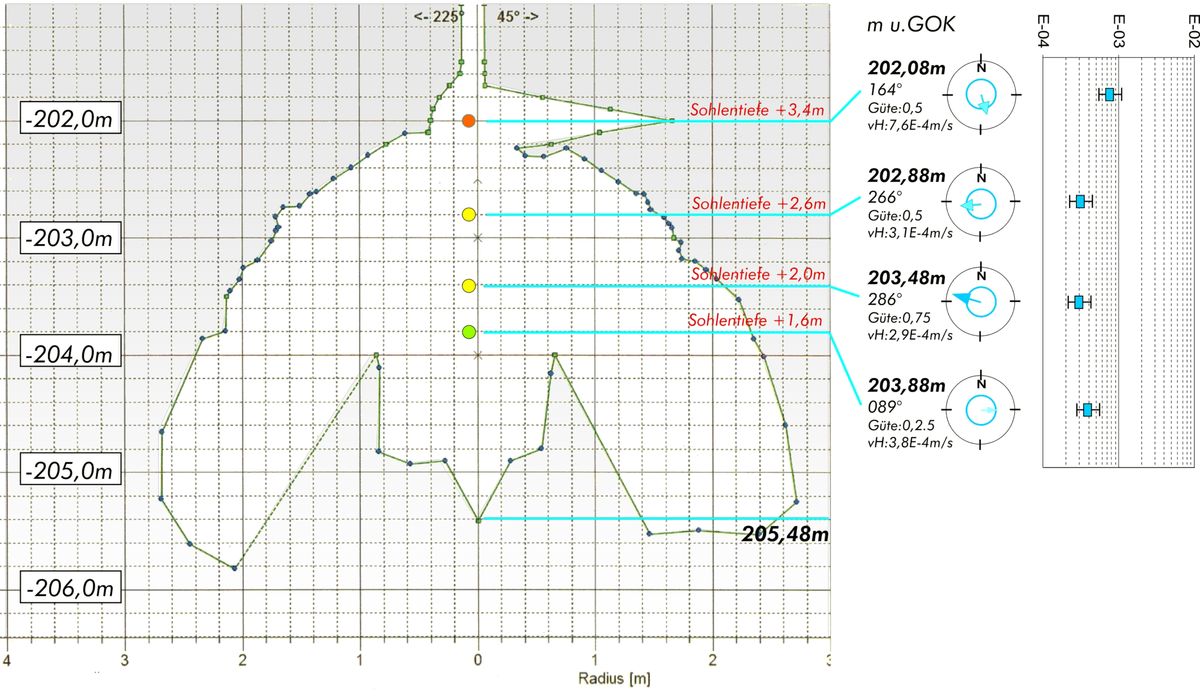
Flow dynamics within flooded underground mine workings are complex and governed by a variety of interacting processes. Groundwater flow in flooded shafts and galleries is commonly driven by thermally induced and density-driven convection processes. In addition, the infiltration of groundwater and surface water may contribute significantly. Further mechanisms include forced convection, for example associated with mine-water management, where pressure gradients actively drive water through the underground workings. The geometry and topography of the flooded mine network may also induce flow dynamics, as shafts and galleries can function as large-scale hydraulic short-circuits enabling internal water circulation. In-situ flow measurements in drilled-access galleries and shafts therefore give precious insights into transport and flow processes within these systems. Under induced flow conditions such as injection test or hydraulic response test, hydraulic connectivity and pathways in these systems can be closer characterized.
In open-pit mines, the interfingering of deposited dump material with native geological sedimentary layers shapes future groundwater flow regime, when groundwater ingresses into these structures when former pits are flooded. Highly disturbed lithological sequences occur particularly in the areas of former pit margins, resulting in spatially variable hydraulic conductivity due to differences in grain sorting and sediment compaction. Consequently, groundwater flow directions and velocities within these structures, as well as fine-particle transport processes, are affected. In-situ flow measurements can deliver valuable information for understanding the developing hydrogeological flow regime, thereby supporting the planning of groundwater remediation strategies and geotechnical risk assessment in these areas.